
How to Restore a Weathered Wood Fence in Alabama
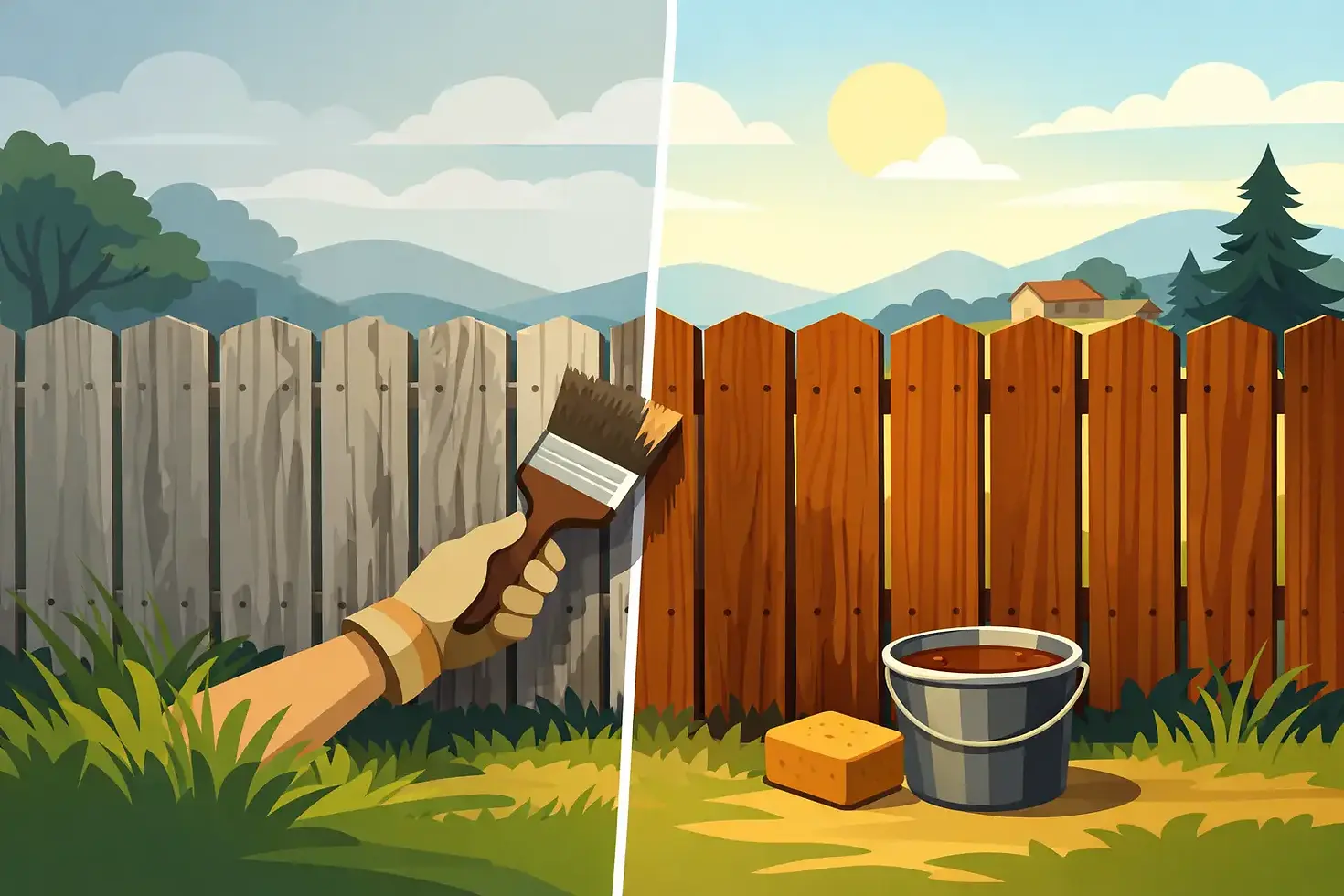
A gray, faded fence is more than a curb-appeal issue. Along the Alabama Gulf Coast, sun, rain, humidity, and mildew work their way into exposed wood quickly. Knowing how to restore a weathered wood fence helps you protect the structure before surface damage turns into loose boards, rot, warping, and an early replacement bill.
A good restoration does not mean covering every problem with a darker stain. It means evaluating the fence, correcting damage, cleaning the wood properly, and applying a protective finish when the surface is ready. Done right, restoration can bring back the warmth of the wood while helping it stand up to another stretch of coastal Alabama weather.
Start by Checking What Can Be Restored
Before cleaning or staining, walk the full length of the fence and inspect it closely. Look for cracked or split pickets, warped rails, leaning posts, loose fasteners, and areas where the wood stays damp. Pay special attention to the bottom of the fence, shaded sections, gates, and places where sprinklers or downspouts regularly hit the boards.
Surface graying, light mildew, faded color, and minor roughness are all common restoration issues. These conditions usually respond well to cleaning, brightening, and staining. Structural rot is different. If a picket is soft when pressed with a screwdriver, a post moves in the ground, or a rail has deteriorated enough to lose strength, that piece should be replaced before the finish work begins.
It is also worth looking for the reason the fence weathered so quickly. Soil or mulch piled against the boards traps moisture. Shrubs growing tight against the fence reduce airflow. A leaking irrigation head can keep one section wet day after day. Correcting those issues gives any restoration work a much better chance of lasting.
Choose the Right Weather Window
Alabama weather matters at every stage of fence restoration. Cleaning products need time to work, wood needs time to dry, and stain needs a suitable temperature and moisture range to cure properly. A hot, cloudless afternoon is not always ideal, especially if the fence is in direct sun and the product dries before it can penetrate evenly.
Plan for a period with no rain in the forecast and enough dry time after cleaning. The exact schedule depends on the type of wood, how heavily it was washed, shade conditions, and recent humidity. In Baldwin County and nearby communities, a fence can look dry on the outside while holding moisture deeper in the grain. Applying stain too soon can lead to blotchy color, poor absorption, or premature peeling.
Morning work or a day with moderate temperatures is often more manageable than working in the strongest afternoon heat. If conditions are questionable, waiting is usually less expensive than redoing a failed finish.
Repair and Prepare the Fence First
Replace damaged pickets and rails before you clean the fence. New wood may accept stain differently than older boards, but it is still better to address weak components now than to stain around a problem that will soon require repair. Reset loose screws or nails, tighten gate hardware, and make sure the fence is stable.
Trim plants back from the work area and move outdoor furniture, planters, and equipment away from the fence. Cover nearby surfaces that could be affected by cleaning solution or stain. This includes siding, concrete, pavers, windows, and landscaping. A careful setup keeps the project focused on the fence instead of creating extra cleanup.
If the boards are rough or have raised fibers, light sanding can help. Sanding is especially useful around repaired areas, splinters, and heavily weathered spots. It should not be used to erase every mark from a fence. The goal is a sound, receptive surface, not furniture-grade perfection.
Clean Away Mold, Mildew, and Gray Wood Fibers
The cleaning stage is where many fence projects succeed or fail. Dirt, algae, mildew, and oxidized wood fibers can prevent stain from bonding and leave the finished fence looking uneven. In humid Alabama conditions, visible green or black growth may return quickly if it is not properly treated before sealing.
Use a wood-safe cleaner designed to remove organic growth and surface contamination. Apply it according to the product directions and allow it to dwell long enough to do its job. Work in manageable sections so the solution does not dry out before rinsing. A stiff brush can help on stubborn areas, particularly along the lower boards and shaded sides of the fence.
Pressure washing can be useful, but too much pressure can damage wood. A powerful stream held too close can carve lines into soft grain, raise fibers, and leave the fence looking fuzzy after it dries. The goal is to rinse contaminants away, not blast the surface apart. Professional equipment and technique make a real difference here because water pressure, tip selection, and distance all affect the result.
After cleaning, a wood brightener can restore a more even, natural tone. Brightener is particularly helpful when the fence has turned gray from UV exposure or when cleaning leaves the wood looking dull. It also helps neutralize certain cleaners and prepares the surface for more consistent stain absorption.
Let the Wood Dry Completely
Patience protects the finish. After washing and brightening, allow the fence to dry thoroughly before staining or sealing. The needed drying time varies, but humid weather, dense wood, shaded yards, and heavy cleaning can extend it.
Do not judge readiness by appearance alone. A dry-looking fence may still have too much moisture for a penetrating product to perform well. Professional restoration crews often use a moisture meter to confirm that the wood is within the stain manufacturer’s recommended range. For homeowners, this is one reason a restoration project can be more involved than it first appears.
While the fence dries, check for raised grain, missed mildew, or areas that need a final light sand. It is far easier to correct those issues before the finish goes on.
Stain and Seal for Protection, Not Just Color
A quality exterior stain does more than change the color of a fence. The right product helps protect wood from UV exposure, moisture intrusion, mildew, and the repeated expansion and contraction that comes with changing weather. For most weathered fences, a penetrating stain and sealer is a better choice than a thick film-forming coating that can crack or peel as the boards move.
Semi-transparent stains are a popular option because they add color while allowing the wood grain to remain visible. They work well when the fence has a reasonably even appearance after cleaning. If the boards have more variation, age spots, or repairs, a more opaque stain may provide better visual consistency. The trade-off is that heavier coverage hides more grain and can require more careful maintenance later.
Apply stain evenly, one section at a time, and maintain a wet edge to avoid lap marks. Back-brushing or back-rolling helps work the product into the grain and spreads excess material before it dries. End grain, cut ends, board bottoms, and horizontal surfaces deserve extra attention because they tend to absorb moisture first.
Avoid applying more product than the wood can absorb. Overapplication may leave shiny patches, sticky areas, or uneven drying. Two light, properly absorbed coats are often better than one heavy coat, but the correct approach depends on the product and the fence condition. Follow the manufacturer’s instructions rather than assuming every stain performs the same way.
Maintain the Restored Fence Between Coats
Once your fence is restored, simple maintenance can extend the life of the finish. Keep leaves and mulch off the base, trim vegetation for airflow, redirect sprinklers, and wash off mildew before it becomes established. Check the fence after major storms for damaged boards, leaning posts, and areas where water is collecting.
How often a fence needs another maintenance coat depends on sun exposure, wood type, product quality, and the amount of rain and humidity it receives. A south-facing fence in full Alabama sun will usually need attention sooner than one in partial shade. Regular inspection is more reliable than waiting for the fence to turn completely gray again.
For homeowners who want lasting protection without guessing at cleaners, dry times, or finish selection, Gulf Stain & Seal brings local exterior wood-care experience to every restoration project. A weathered fence can still become a strong, attractive part of your property when it receives the right care before the damage goes deeper.


Comments